
Are You Breathing Properly? Why Belly Breathing Matters for Neck Pain, Back Pain and Anxiety
Breathing is something we do automatically, in and out every 4 seconds all day every day, yet a lot of people are doing it incorrectly, unknowingly. At Health Shack in Rockingham, one of the common things we assess during a consultation is how someone breathes. It may seem simple, but breathing biomechanics can have a significant impact on how the body feels and functions.
Many people are unaware that they use a stress breathing pattern throughout the day. Instead of breathing with the diaphragm they rely on shallow chest breathing, a pattern that the body is designed to use during stress, exertion, or physical effort in addition to normal diaphragm breathing. When this pattern becomes the default even while resting, it can contribute to a range of issues including neck pain, headaches, back pain and anxiety.
As our chiro Cherie Haigh explains:
“At Health Shack we often see clients with neck pain, headaches or anxiety who are unknowingly using a stress breathing pattern all day. Teaching the body to return to relaxed diaphragmatic breathing can make a huge difference to their symptom pattern.” — Cherie Haigh
Understanding the biomechanics of breathing can help explain why this happens and what you can do to improve it.

The Biomechanics of Normal Breathing
In healthy breathing, the diaphragm is the primary muscle responsible for drawing air into the lungs. The diaphragm is a dome-shaped muscle that sits beneath the lungs and separates the chest cavity from the abdomen.
During diaphragmatic breathing, or belly breathing, the diaphragm contracts and moves downward as you inhale. This creates space in the chest cavity and allows the lungs to expand efficiently, drawing air in like a vacuum. As this happens, the rib cage gently expands in multiple directions and the abdomen rises slightly.
When breathing works well:
The belly gently rises during inhalation
The lower rib cage expands
The shoulders remain relaxed
The neck and upper chest muscles remain relatively quiet
This pattern allows breathing to be efficient, relaxed, and supportive of the nervous system. It also helps maintain healthy movement through the ribs, thoracic spine and surrounding muscles.
During exertion like exercise, and a normal stress response, the muscles surrounding the chest get involved in breathing to increase the chest expansion and increase the lung capacity when more oxygen is needed. When the exertion or stress is gone, breathing should return to that gentle diaphragm dominant pattern mentioned above.
What Happens With Abnormal Breathing Patterns
In modern life, many people develop this stress breathing pattern as their default. Instead of relying on the diaphragm, breathing becomes chest-dominant.
Chest breathing often occurs when the body perceives stress or when posture places the body in a compressed position, something we commonly see with prolonged desk work, phone use and busy lifestyles.
When chest breathing becomes the default pattern, several things change in the body’s breathing biomechanics:
The diaphragm becomes underused
Breathing becomes shallow and rapid
The upper chest and shoulders lift during inhalation
Accessory breathing muscles take over
These accessory muscles include the scalenes, upper trapezius, sternocleidomastoid and chest muscles, which are designed to assist breathing during physical exertion. When they are recruited all day long, they can become overworked and tight.
How Poor Breathing Can Contribute to Pain and Anxiety
By now I suspect you are all going to know this answer. Once you understand the normal and abnormal breathing patterns, it makes total sense why pain can result when you’re chest breathing, but I will explain anyway;
Because these upper body muscles attach to the neck, ribs and upper spine, chronic chest breathing can contribute to several common symptoms we see in clinic.
These may include:
Neck pain
Upper back and thoracic tension
Headaches
Chest tightness
Back pain
Increased feelings of anxiety
When breathing relies heavily on the neck and shoulder muscles, these structures are constantly working, even when the body is meant to be resting. Over time, this can create muscular tension and restricted movement in the ribs and thoracic spine.
Breathing patterns also influence the nervous system. Shallow, rapid breathing is associated with the body's fight-or-flight response, which can increase feelings of stress and anxiety. In contrast, slow diaphragmatic breathing helps activate the parasympathetic nervous system, which supports relaxation and recovery.
How Chiropractic, Bowen and Massage Can Help
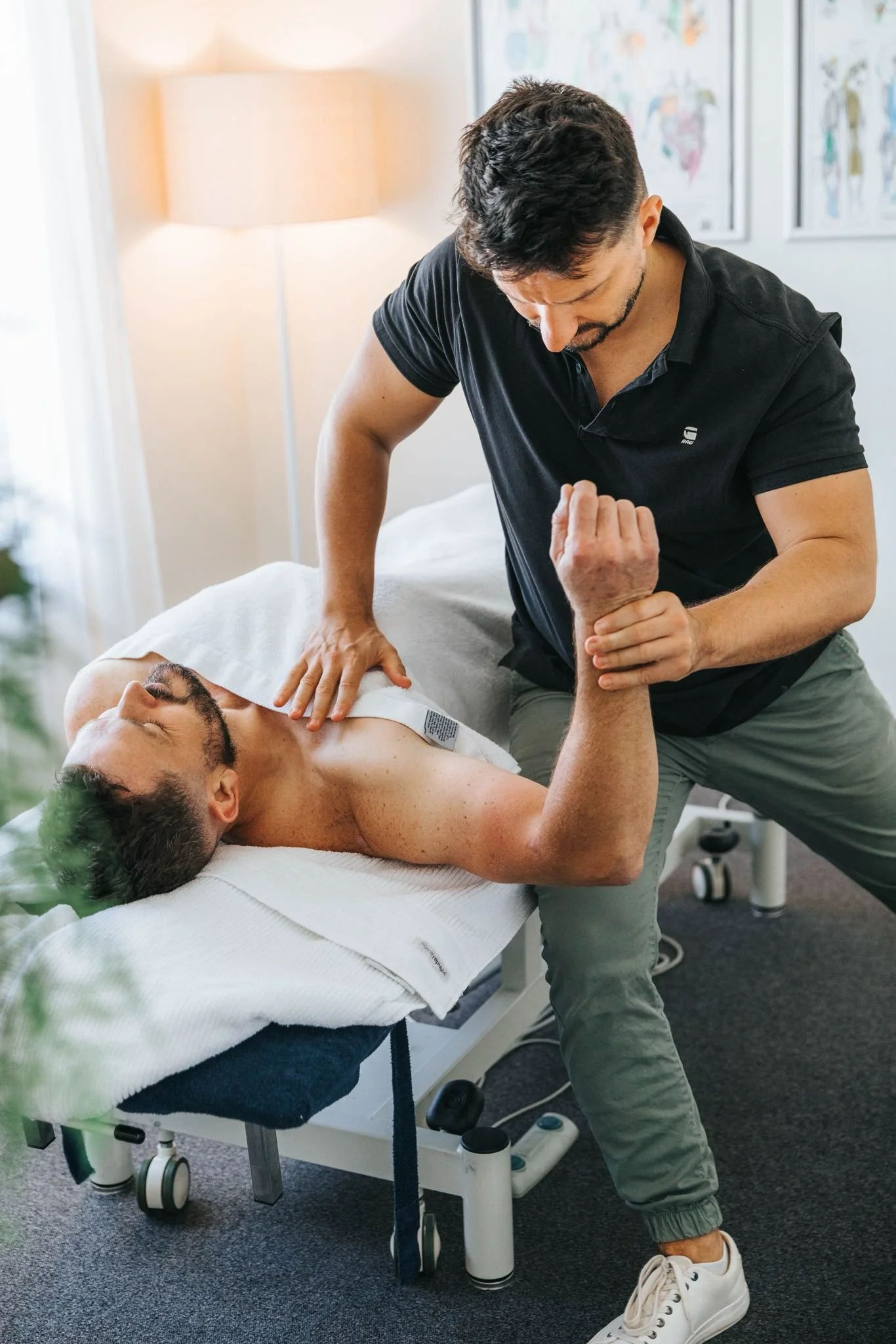
At Health Shack, we often take a holistic approach when addressing symptoms and always look beyond where the pain is and assess multiple biomechanical systems, stress responses, and lifestyle issues to work out how to get your body functioning best. Breathing patterns is an important place to look.
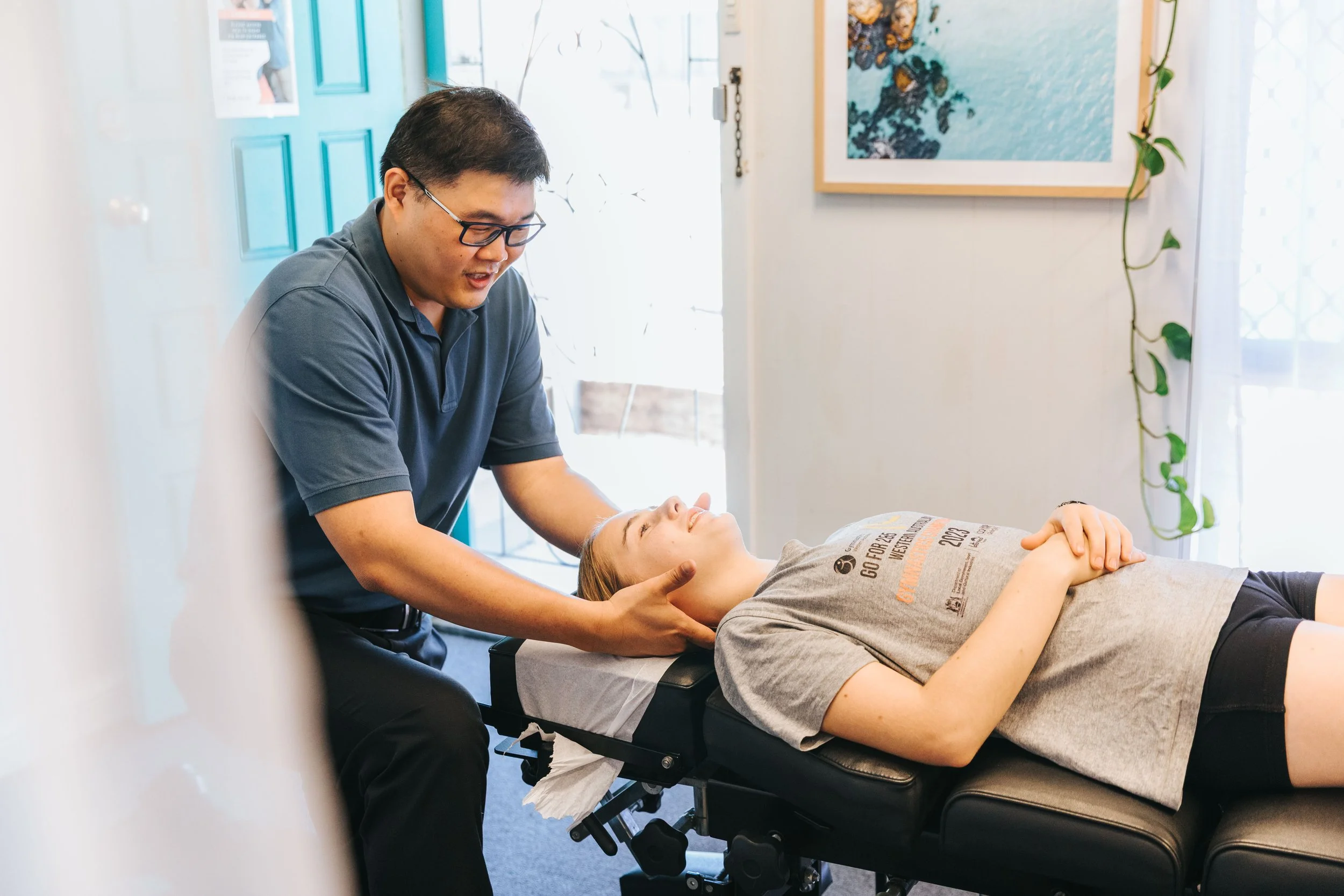
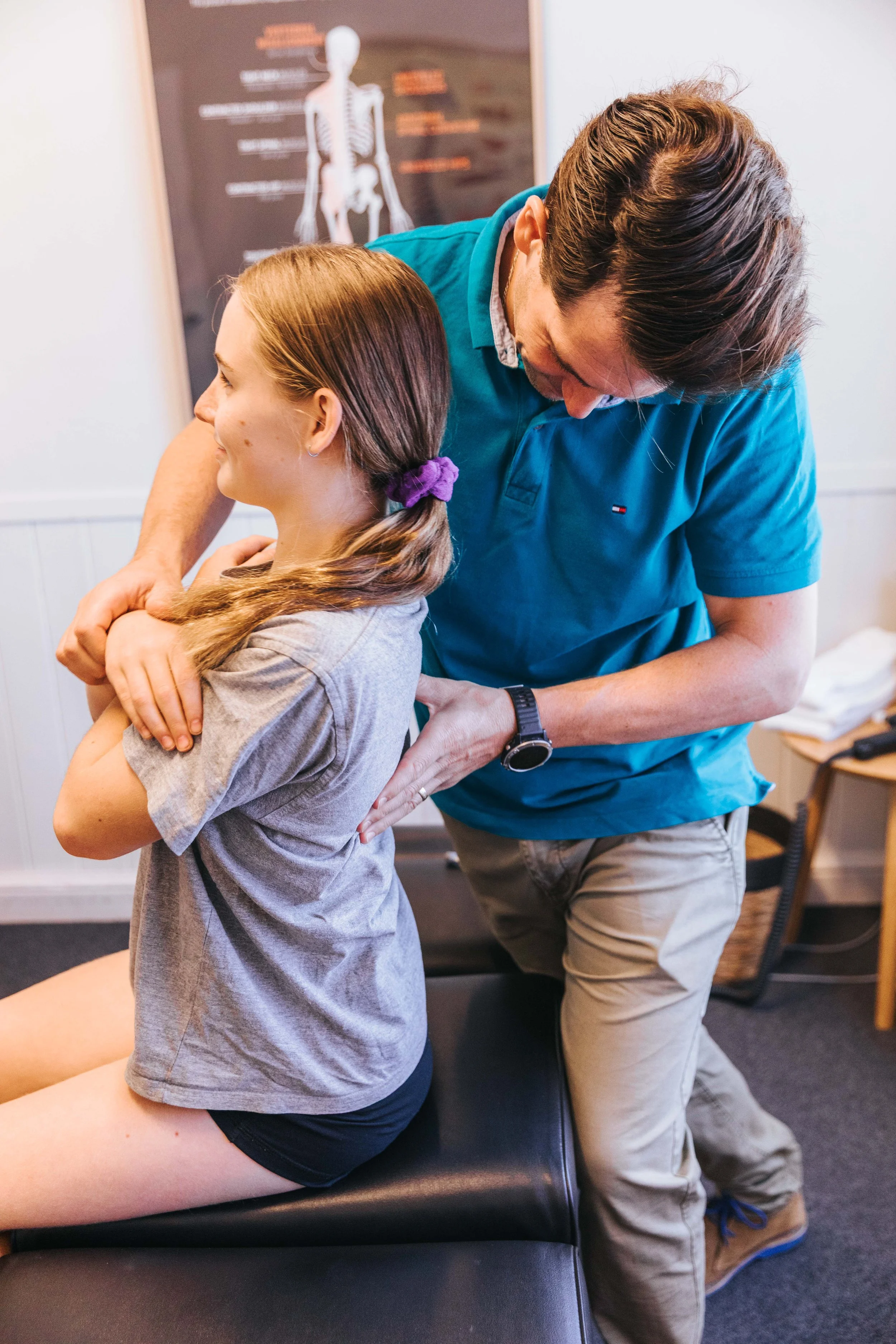
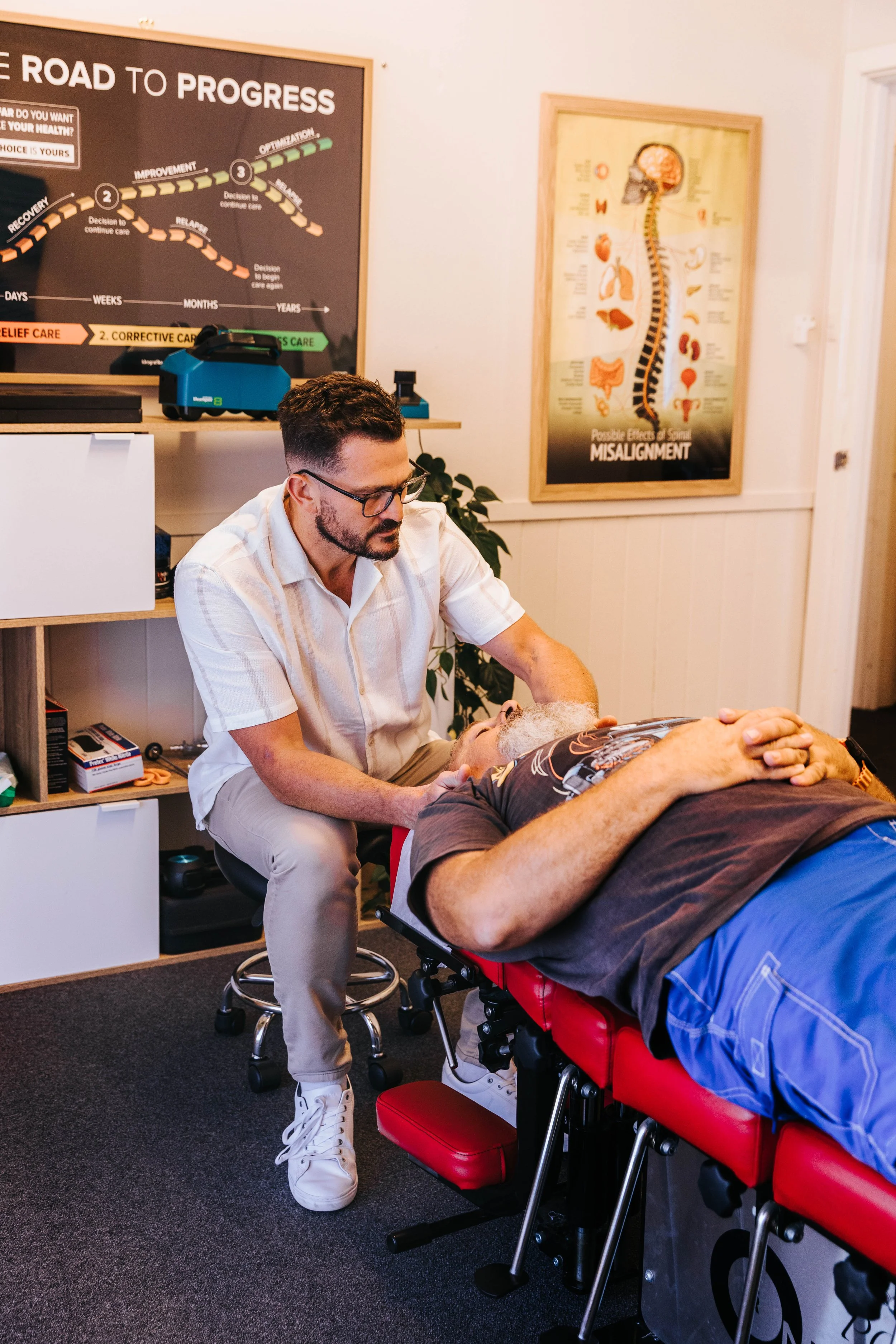
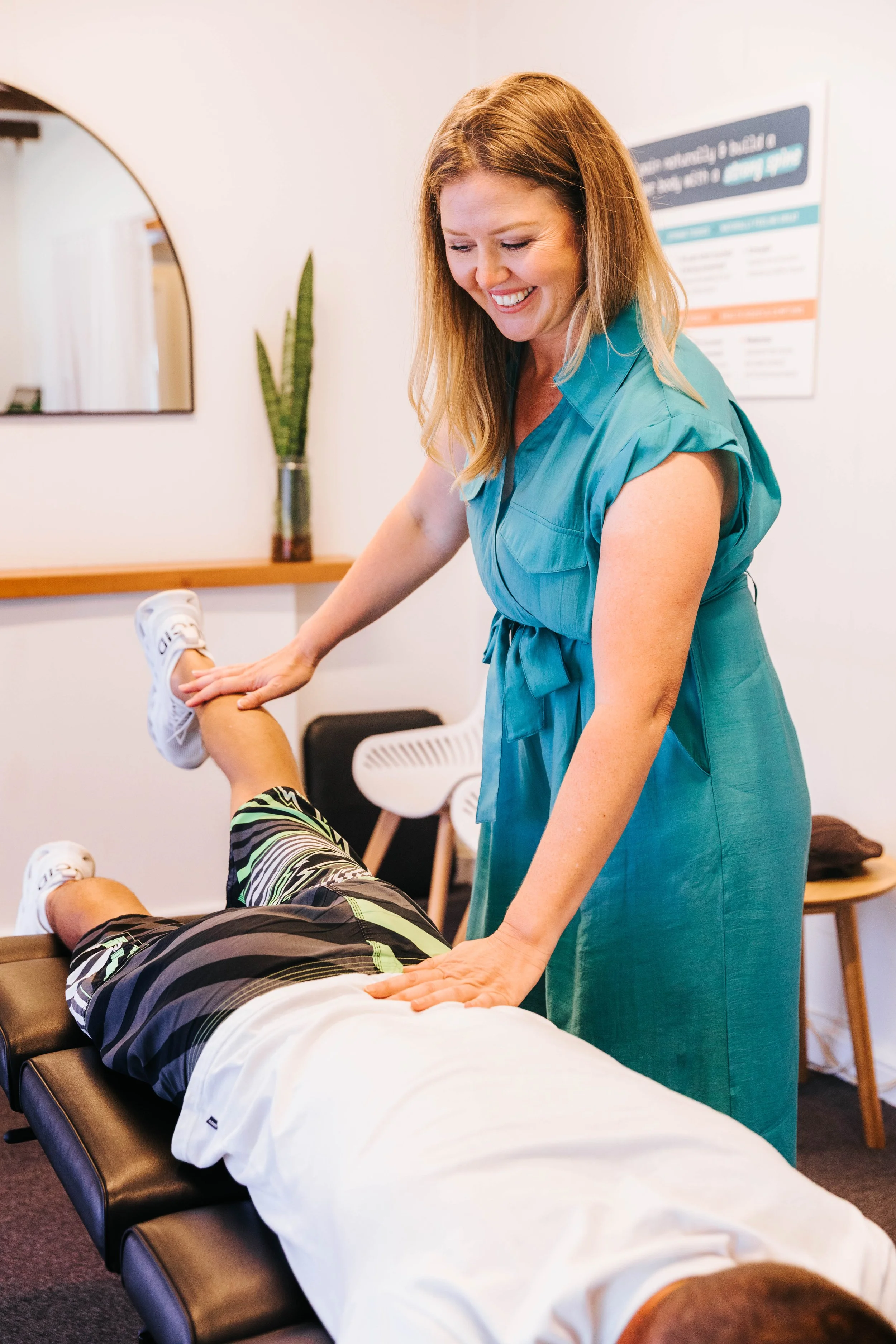
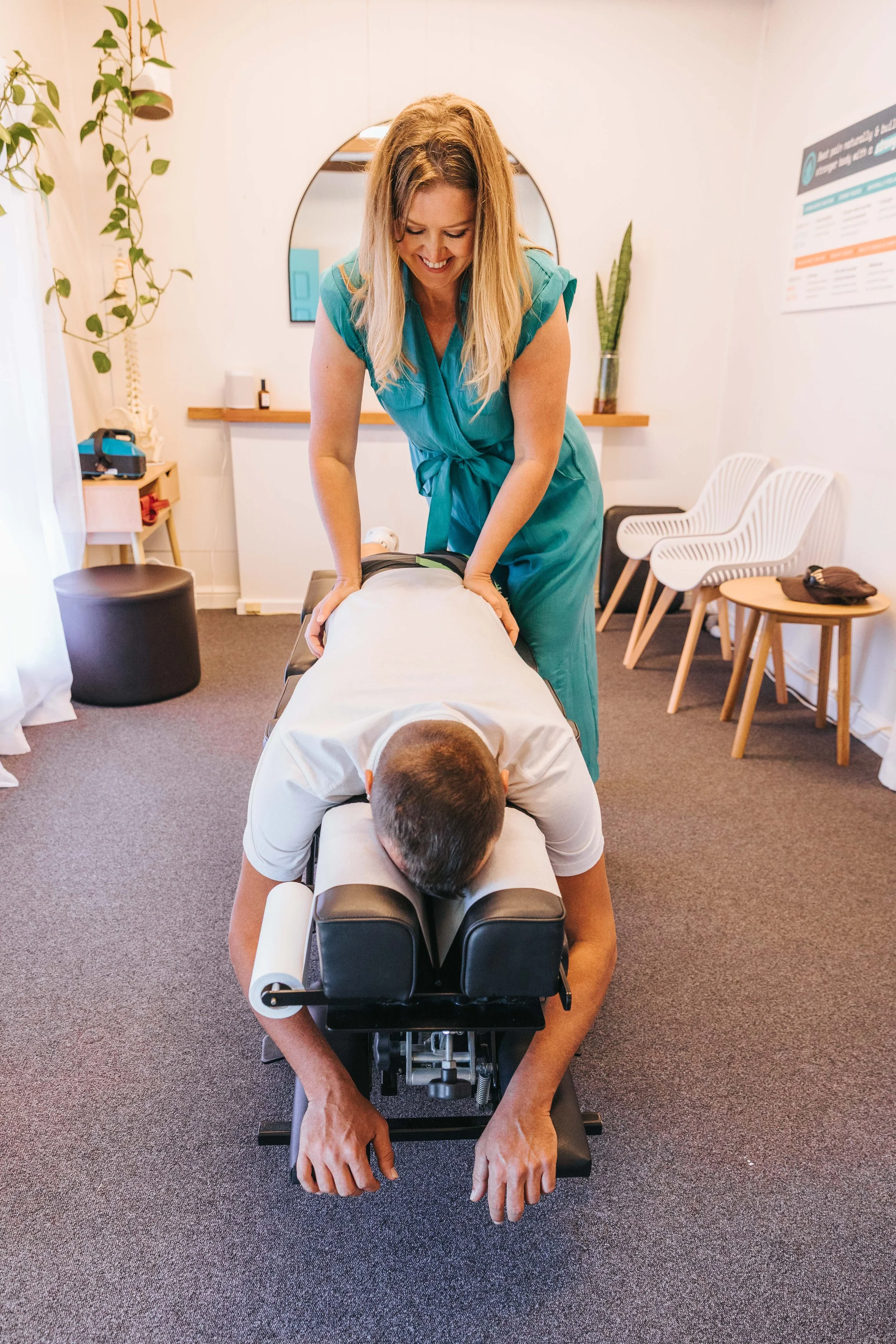
Chiropractic care can help restore movement to the spine and rib joints, particularly in the thoracic region where breathing mechanics play an important role. Improved spinal and rib mobility allows the diaphragm and rib cage to move more freely during breathing.
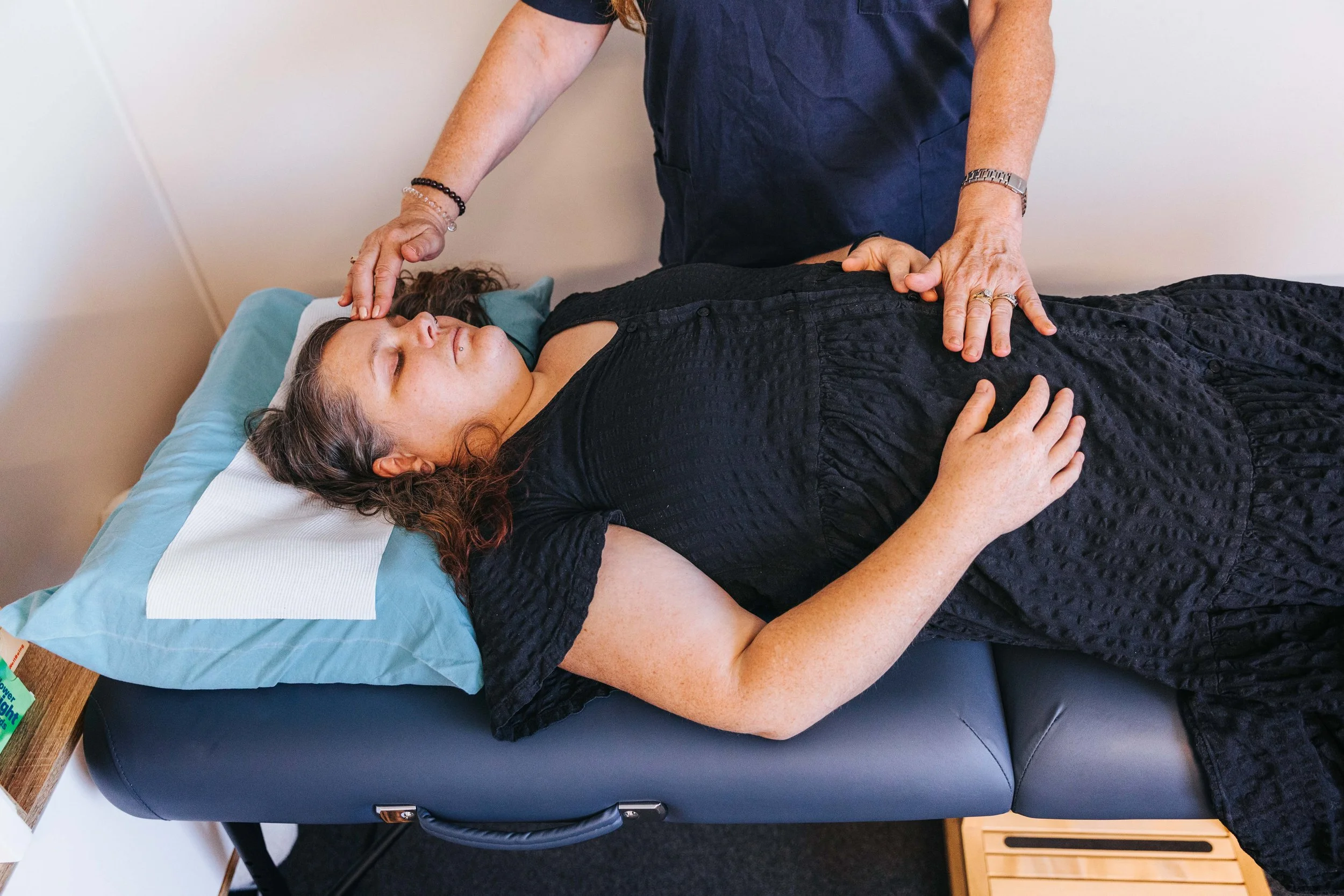
Bowen therapy and massage can also help release tension in the neck, chest and upper back muscles that may be overactive due to chest breathing patterns, and also address diaphragm muscle restrictions.
When these tissues relax and mobility improves, it becomes easier for the body to return to more efficient diaphragmatic breathing.
Importantly, treatment is only part of the process. Education and simple exercises can help retrain the body to adopt better breathing patterns during everyday life.
Learning Belly Breathing
One of the simplest ways to retrain breathing mechanics is through belly breathing, also known as diaphragmatic breathing.
This technique encourages the diaphragm to become the primary breathing muscle again.
A great place to start is lying on your back or seated comfortably.
Place one hand on your chest and one hand on your belly.
Breathe slowly through your nose.
As you inhale, allow your belly to gently rise under your hand.
Keep your chest relatively still.
Exhale slowly and allow the belly to soften back down.
The goal is not to force the breath, but to allow a slow, relaxed rhythm led by the diaphragm.
Checking In With Your Breathing
One of the most helpful habits is simply checking in with your breathing throughout the day.
Notice whether your breathing feels shallow or whether your shoulders and chest are lifting with each breath. If you notice yourself chest breathing, take a moment to reset with a few slow belly breaths.
These small resets can help your body gradually return to a more natural breathing pattern.
At Health Shack, breathing is something we often assess as part of a broader musculoskeletal and wellness approach. Sometimes small changes in breathing biomechanics can make a meaningful difference to symptoms like neck pain, headaches, back pain and anxiety.
This month we’re encouraging clients to include a breathing check as part of their regular consult.
If you’re curious about your breathing pattern or would like guidance on improving it, we’re here to help.